
When Should You Visit an Endodontist in Ahmedabad for Root Canal Treatment?
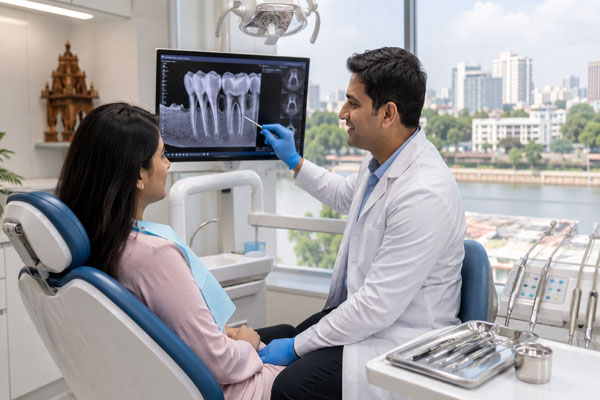
When Should You Visit an Endodontist in Ahmedabad for Root Canal Treatment?
Root canal treatment is one of the most misunderstood dental procedures. This guide explains when you need an endodontist, what to expect during treatment, and why specialized care matters for saving your tooth.
Understanding Root Canal Pain and When It's Serious
Tooth pain is your body’s signal that something needs attention. Many people delay visiting an endodontist despite experiencing severe pain, fearing the procedure. This delay can lead to tooth loss, infection spread, and more complicated treatments. Understanding when to seek specialized endodontic care is crucial.
Common problems that require endodontic treatment include:
- Severe pain while chewing or when applying pressure
- Prolonged sensitivity to hot and cold temperatures
- Discoloration or darkening of the tooth
- Swelling and tenderness in nearby lymph nodes
- Recurrent pimple-like bumps on the gums
Who Is an Endodontist and Why Are They Specialists?
An endodontist is a dental specialist with additional training (typically 2-3 years beyond dental school) in diagnosing and treating problems inside the tooth, particularly the pulp and root canal system. They are experts in:
- Complex root canal anatomy and variations
- Advanced diagnostic techniques like CBCT imaging
- Microsurgical techniques for precision treatment
- Treatment of infected, inflamed, or traumatized teeth
- Re-treatment of failed root canals
7 Signs You Need to Visit an Endodontist
Severe Pain While Chewing or on Pressure
If you experience sharp, shooting pain when biting down or chewing, it indicates inflammation or infection in the tooth pulp. This pain often radiates to the jaw, ear, or head. An endodontist can determine if root canal treatment is necessary through examination and X-rays.
Prolonged Temperature Sensitivity
Unlike normal sensitivity that fades quickly, endodontic pain lasts long after the stimulus is removed. If you feel pain 30 seconds to several minutes after consuming hot or cold foods, the pulp is likely infected or inflamed.
Tooth Discoloration
A tooth that darkens, turns gray, or changes color indicates pulp damage or death. This discoloration occurs because blood vessels in the pulp break down, leaving pigment deposits inside the tooth. Early intervention by an endodontist can prevent further deterioration.
Swelling and Tenderness in Lymph Nodes
When a tooth is severely infected, your body responds by enlarging nearby lymph nodes. You might notice swelling under the jaw or in the neck. This is a sign of systemic infection that requires immediate attention from an endodontist.
Recurring Pimple-Like Bumps on the Gums
A pimple or pustule on the gum near a painful tooth is a drainage point for infected material. This is called a fistula and indicates a chronic infection in the root canal. An endodontist can trace the infection source and eliminate it with root canal treatment.
Traumatic Injury or Accident
Teeth exposed to trauma from falls, sports injuries, or accidents may suffer internal damage. Even if the tooth appears intact externally, the pulp might be compromised. An endodontist should evaluate any traumatized tooth within 24-48 hours.
Dental Work on the Same Tooth
Repeated dental procedures on the same tooth can irritate the pulp. Additionally, deep cavities, crowns, or fillings placed to the pulp chamber can cause pulp inflammation. If you’ve had multiple procedures and now experience pain, consult an endodontist.
What to Expect During Root Canal Treatment
Step 1: Diagnosis and Imaging
Your endodontist will take X-rays or CBCT scans to visualize the tooth’s internal structure, root length, and extent of infection. This helps in precise treatment planning.
Step 2: Anesthesia and Isolation
Local anesthesia numbs the area, ensuring a painless procedure. A rubber dam isolates the tooth from saliva and prevents instruments from going down the throat.
Step 3: Pulp Removal
The dentist creates an access cavity and removes the infected or inflamed pulp tissue using specialized instruments. This includes removing pulp from the pulp chamber and root canals.
Step 4: Cleaning and Shaping
The empty canals are cleaned, shaped, and disinfected using files of increasing diameter and antimicrobial solutions. This removes bacteria and prepares the canal for filling.
Step 5: Filling the Canals
The cleaned canals are filled with a biocompatible material called gutta-percha and sealer cement. This prevents future infection and seals the canal system completely.
Step 6: Restoration
The access hole is closed with a temporary or permanent restoration. Usually, a crown is recommended to protect the treated tooth and restore full function.
How Long Does Root Canal Treatment Take?
Root canal treatment duration varies based on tooth location, complexity, and number of roots:
Tooth Type | Number of Roots | Time Required |
Front Tooth (Incisor) | 1 root | 30-60 minutes |
Premolar | 1-2 roots | 45-90 minutes |
Molar | 2-3 roots | 60-120 minutes |
Post-Treatment Care and Recovery
After root canal treatment, follow these guidelines:
- Avoid chewing on the treated tooth until permanent restoration
- Take prescribed antibiotics and pain medications as directed
- Apply ice for the first 24-48 hours to reduce swelling
- Avoid hot foods and drinks for a few days
- Get a crown placed on the tooth to prevent future damage
Why Choose an Endodontist in Ahmedabad?
Ahmedabad has excellent endodontic specialists trained with modern techniques. Whether you’re in Maninagar, Ghodasar, or elsewhere, seeking specialized endodontic care ensures:
- Higher success rates (95%+) compared to general dentists
- Advanced imaging like CBCT for accurate diagnosis
- Microscope-assisted precision treatment
- Experience with complex and re-treatment cases
Frequently Asked Questions
Does root canal treatment hurt?
No. Modern root canal treatment is no more uncomfortable than having a cavity filled. The procedure eliminates the pain you were already experiencing from the infected pulp. Local anesthesia ensures you feel no pain during treatment.
How long does a root canal-treated tooth last?
With proper restoration and care, a root canal-treated tooth can last a lifetime. The key is getting a crown and maintaining good oral hygiene. Regular check-ups ensure the tooth remains healthy.
Can a root canal fail?
Success rates exceed 95%, but failures can occur due to missed canals, complex anatomy, or new infections. If a root canal fails, retreatment (RCT) by an experienced endodontist can save the tooth.
What's the alternative to root canal treatment?
The main alternative is tooth extraction. However, extracted teeth lead to bone loss, shifting of remaining teeth, and bite problems. Root canal treatment preserves your natural tooth, which is always preferable.
How much does root canal treatment cost?
Cost varies by tooth location and complexity. Front teeth are generally less expensive than molars. Most dental insurance covers 80% of endodontic treatment. Discuss pricing with your endodontist before starting.
Conclusion
Recognizing the signs that you need endodontic treatment and visiting a specialist promptly can save your tooth. Root canal treatment by an experienced endodontist in Ahmedabad has excellent success rates and allows you to keep your natural tooth for life. Don’t let fear or misconceptions prevent you from seeking the specialized care you deserve!