
How to Choose the Best Root Canal Specialist in Maninagar
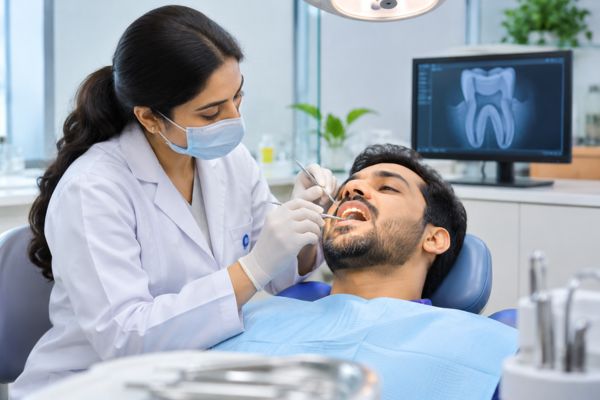
When Is a Second Opinion Useful Before Tooth Extraction?
A root canal second opinion can help clarify whether a damaged or previously treated tooth can be saved and restored. The assessment considers the diagnosis, remaining tooth structure, supporting tissues and reasonable treatment options.
Hearing that a tooth may need removal can leave you with questions. You may want to understand why extraction was recommended, whether another treatment is possible and what keeping the tooth would involve.
If you are searching for the best root canal specialist in Maninagar, look for a clinician who explains those decisions clearly. The consultation should help you understand your own tooth and make an informed choice about its care.
Ask What Makes the Tooth Difficult to Treat
A useful discussion starts with the problem affecting the tooth.
Deep decay, an injury, a crack or problems after earlier treatment can create different clinical situations. Your dentist needs to assess the tooth and surrounding tissues before recommending a particular procedure.
Explain when the symptoms began, whether chewing triggers discomfort and whether there has been swelling or previous treatment.
Ask the dentist to describe the diagnosis in plain language. Understanding what has happened makes it easier to follow the proposed treatment plan and recognise why one option may suit your circumstances better than another.
Saving the Tooth Also Means Restoring It
Root canal treatment addresses inflamed or infected tissue inside the tooth. The remaining tooth must also be suitable for a lasting restoration.
That means assessing how much healthy structure remains, whether there are significant cracks and how well the gums and bone support the tooth.
A heavily damaged tooth may need additional restorative work after its canals are treated. In other cases, the damage may make preservation unsuitable.
Ask what restoration would follow treatment and whether the tooth can reasonably function afterwards. The complete plan should include both root canal care and the work needed to protect the tooth during everyday use.
Bring the History of Any Previous
Root Canal
A previously treated tooth can sometimes develop new problems months or years later. A second assessment can help identify what has changed and which options remain available.
Useful records include earlier X-rays, treatment notes and information about the crown or filling. Tell the clinician when treatment was completed and whether the tooth ever felt comfortable afterwards.
Possible issues include complex canal anatomy, leakage around a restoration or new damage. Examination is needed to determine the cause in your case.
Depending on the findings, options may include retreatment, endodontic surgery or extraction. The recommendation should explain why the proposed approach is reasonable.
Ask for the Findings Behind the Recommendation
Clinical examination and dental imaging help the dentist build a picture of the tooth’s condition. Further imaging may be advised when the case requires additional information.
Ask the clinician to explain the findings and how they affect the available choices. If a scan or another investigation is recommended, ask what question it is intended to answer.
Previous records can support the assessment, although new images may still be needed.
The explanation should connect the findings with the treatment plan.
Discuss What Each Option Can Realistically Achieve
A second opinion may confirm the original recommendation. It may also identify another treatment option worth considering.
Ask about the expected benefits, limitations and risks of each reasonable approach. If root canal treatment is proposed, discuss the likelihood of keeping and restoring the tooth. If extraction is recommended, ask which findings make preservation unsuitable.
No clinician can guarantee that every tooth will heal or remain trouble-free.
A clear discussion should also cover what happens if the first approach does not achieve the expected result. Knowing the possible next steps helps you make the decision with realistic expectations.
Choose Clear Communication About Comfort and Visits
Concern about discomfort is a common reason people postpone dental appointments. Tell the clinician if you have had a difficult experience or feel anxious about treatment.
Root canal procedures are generally performed using local anaesthesia to numb the area. Your dentist can explain what sensations to expect and how discomfort will be managed.
Discuss the likely number of visits, the need for a temporary restoration and when the final restoration should be completed.
The schedule depends on the tooth and treatment required. Knowing the stages helps you plan work and follow-up appointments without assuming that every case can follow the same timetable.
Know When Prompt Care Comes First
A second opinion should be arranged without delaying care for an urgent problem.
Tooth pain with facial swelling or fever needs urgent dental assessment. A suspected dental abscess needs professional treatment.
Difficulty breathing, swallowing or speaking, substantial mouth swelling, or swelling affecting the eye requires emergency medical care.
When contacting a clinic, describe these symptoms clearly so the team can advise on the urgency of assessment.
Arrange a Root Canal Assessment Near Maninagar
Dev Multispeciality Dental Care is based in Ghodasar, Ahmedabad, and serves patients from Maninagar and nearby areas.
You can contact the clinic to discuss a root canal assessment, including concerns about a damaged or previously treated tooth. Ask who will treat you, their qualifications and experience with similar cases, and whether an endodontic consultation is appropriate.
Bring your dental records, current medicine list and details of your symptoms. Explain any recommendation you have already received.
Before agreeing to treatment, request a clear plan covering the proposed procedure, final restoration, follow-up care and relevant alternatives.
Conclusion
Choosing the best root canal specialist in Maninagar begins with finding clear answers about your tooth. Diagnosis, the possibility of restoration, comfort and follow-up care all matter when comparing treatment options.
Book an assessment with Dev Multispeciality Dental Care to discuss whether root canal treatment, retreatment or another approach is suitable for your circumstances.
Frequently Asked Questions (FAQs)
Can I seek a second opinion after being advised to remove a tooth?
Yes. An assessment can help clarify whether the tooth can be treated and restored. Arrange it promptly, and follow urgent care advice if you have swelling, fever or other concerning symptoms.
Does pain after an earlier root canal mean I need retreatment?
The cause needs examination. Problems with the tooth, restoration or supporting tissues may require different care. Retreatment is one possible option, depending on what the clinician finds.
Will treatment start during my first consultation?
The appointment may focus on diagnosis and planning. When booking, ask whether treatment might begin that day and explain any urgent symptoms. Timing depends on clinical need and appointment availability.
Will I need a crown after root canal treatment?
The final restoration depends on the tooth type, remaining structure, existing damage and bite. A filling, onlay or crown may be considered. Ask which option is recommended for your tooth and why.
Is a repeat root canal treatment painful?
Local anaesthesia is generally used to numb the area. Some soreness can occur afterwards. Discuss your concerns, previous experiences and the planned approach to comfort with the treating clinician.
What should the complete treatment estimate include?
Ask about consultation, imaging, root canal treatment or retreatment, temporary work, the final restoration and follow-up appointments. Any additional procedure being considered should be explained separately.
How should I prepare for an appointment near Maninagar?
Bring previous X-rays, dental treatment records and a medicine list. Note when symptoms began, what triggers them and any swelling. Explain the questions you want answered about saving or replacing the tooth.