
Can Restoring Worn Teeth Help Your Smile Look Younger
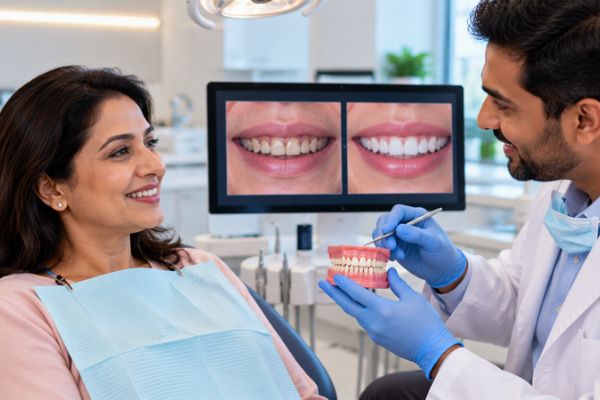
When Changes in Your Smile Are More Than Cosmetic
Perhaps your teeth look shorter in recent photos. A missing tooth has left a visible gap, or you avoid certain foods because chewing feels difficult. You may describe the goal as wanting a younger-looking smile, even though the problem has built up slowly over many years.
Dental treatment cannot stop ageing. It can, however, address specific changes such as worn, broken, discoloured, or missing teeth. The first step is finding out why those changes happened. A new crown or a whiter shade alone may not solve an untreated bite, grinding habit, or gum problem.
For someone exploring anti-aging dental treatment in Maninagar, a careful examination is more valuable than choosing a cosmetic procedure from a list.
Look for Clues Beyond Tooth Colour
A smile can change in several ways. Tooth edges may become flat or uneven. Old fillings can chip. Spaces may appear after tooth loss, and a denture may no longer fit as it once did. Some people notice sensitivity or find that they chew mostly on one side.
Tell the dentist when you first noticed the change. Bring older photographs if you have them, along with a list of past crowns, bridges, dentures, or implants. Describe any pain, jaw discomfort, or trouble eating.
These details help separate an appearance concern from a problem that also needs functional care. Teeth may wear for different reasons, so the right plan depends on an examination of the teeth, gums, and bite.
Understand What a Prosthodontist Does
A prosthodontist is a dental specialist focused on restoring and replacing teeth. Their work can include planning crowns, bridges, dentures, implants, and care for more complex problems involving several teeth. They consider how the teeth look and how they function together.
That does not mean every patient needs a full mouth reconstruction. A small chip may need a limited repair. Several worn teeth and missing back teeth may require a broader plan. Ask the clinician to explain which findings make a larger treatment necessary in your case.
Dev Multispeciality Dental Care lists full mouth rehabilitation among its services for worn teeth, missing teeth, and bite concerns. Its clinic address is in Ghodasar, Ahmedabad, near Maninagar.
Choose Treatment for the Problem Found
There is no standard “anti-aging” dental package. After assessment, your plan may involve one treatment or several completed in stages:
Repair or crowns
A damaged tooth may need a filling or crown, depending on how much healthy tooth remains. Crowns can protect certain weak or broken teeth.
Replacement of missing teeth
A bridge, denture, or implant-supported restoration may be considered. The choice depends on the surrounding teeth, gums, bone, and your preferences.
Appearance changes
Whitening or veneers may address selected concerns, but veneers involve a lasting change to the tooth and are not right for everyone. Whitening also does not change the colour of existing crowns or veneers.
If teeth are heavily worn, ask how the proposed work will affect your bite and what will protect the restorations afterward. The aim should be a smile you can use comfortably, with an appearance you have discussed and agreed on.
Ask to See the Plan in Stages
Complex treatment can feel overwhelming when a consultation ends with a long list of procedures. Ask the clinician to put the plan in order. Which problems need care first? Which teeth can be kept? What options do you have for replacing missing teeth?
Request an explanation of the expected visits, materials, healing time if a procedure requires it, and care needed between stages. If the plan includes a preview or temporary restorations, ask what they can show you and what they cannot guarantee.
Discuss the shade and shape you want. “Younger” may mean natural tooth proportions to you, while someone else wants a brighter smile. Showing photographs and describing what you dislike can make that conversation clearer.
Compare the Full Cost and Future Care
Before agreeing to treatment, request a written estimate that separates examination and records, each planned procedure, temporary work if needed, and final restorations. Ask what may change the cost after the dentist has examined your mouth.
Also ask how to care for the finished work. Crowns, bridges, dentures, and implants need cleaning and review. The Best Prosthodontist in Ahmedabad advises regular clinical checks for restorations, with a care plan tailored to the patient.
Price matters, but so does understanding the diagnosis, the proposed alternatives, and the maintenance you will take on afterward.
Conclusion
A younger-looking smile is a personal goal. Dental care begins by identifying the actual changes behind it, whether they involve tooth wear, damage, missing teeth, or several issues together. A prosthodontic assessment can help you weigh treatment options that address both appearance and chewing. Ask for a clear plan, realistic expectations, and a full estimate before you begin.
Frequently Asked Questions (FAQs)
Can dental treatment make my face look younger?
Restoring worn or missing teeth may change how your smile appears. The result varies by person, and dental treatment cannot remove facial wrinkles or reverse ageing.
Do short or worn teeth always need crowns?
No. Treatment depends on the cause and amount of wear, symptoms, and remaining tooth structure. A dentist must examine the teeth before recommending crowns.
How do I choose the best prosthodontist in Ahmedabad for my case?
Ask about the clinician’s specialist training, experience with your type of problem, treatment alternatives, written plan, and follow-up care. Choose someone who explains the findings clearly.
Can I replace missing teeth without implants?
Often, yes. Bridges or dentures may be options. A clinician can explain which choices suit your teeth, gums, and oral health.
Will whitening change the colour of my old crowns?
No. Whitening affects natural teeth differently from existing crowns, veneers, and fillings. Discuss colour planning before replacing visible restorations.
How long does treatment for several worn teeth take?
It depends on the number of teeth involved and whether you need other care first. Ask for a staged timeline after your examination.
What should I bring to a consultation?
Bring your dental records if available, a list of previous treatments, details of any symptoms, and photographs that show the smile changes you want to discuss.